
Setting off for a hike with your four-legged companion, whether it’s up the mountain, along a scenic path or even on the beach can be one of life’s greatest joys. Until one reaches that inconvenient moment: a shameless dog squat. It might be tempting to flick it off the path or bury it in the sand – it’s just natural waste, right? But it’s not so simple: a build-up of dog poo can lead to serious ecological problems.
Picture the natural environment as a delicate harmonious system with an internal cycling of nutrients. In its simplest form, animals eat plants and excrete them back into the environment to fertilise the soil with nutrients for future plants to thrive. But dogs, with protein-rich diets originating from outside of the system, create an imbalance when delivering their own “external inputs”. In places like the nutrient-poor fynbos biome, excesses of both phosphorous and nitrogen in dog poo can lead to overfertilization of the ground and harm both plant and animal species. A study in Belgium showed that 1,629 dogs walking in forests and nature reserves around urban areas contributed an excess of 11kg of nitrogen and 5kg of phosphorous to the ground per hectare over 18 months. These nutrients have a residence time of up to 3 years in the soil, resulting in accelerated plant growth of nutrient-hungry species (like nettles, Bermuda grass, khakibos, and smooth pigweed). These plants hog both space and light and outcompete specialist endemic species. Over time this can lead to a loss of biodiversity and changes in the composition of local ecosystems.
Dog waste also presents an issue for our waterbodies. Faeces break down and are incorporated into streams, dams and bays. The addition of large quantities of nutrients into water is like giving out an all-you-can-eat buffet to the algae, resulting in blooms which suck oxygen out of the water. This creates dead zones for aquatic organisms making the water green, smelly, and not suitable for swimming. It has also been found that two to three days’ worth of faeces from just 100 dogs can contribute enough bacteria to close off a bay in a 30km radius!
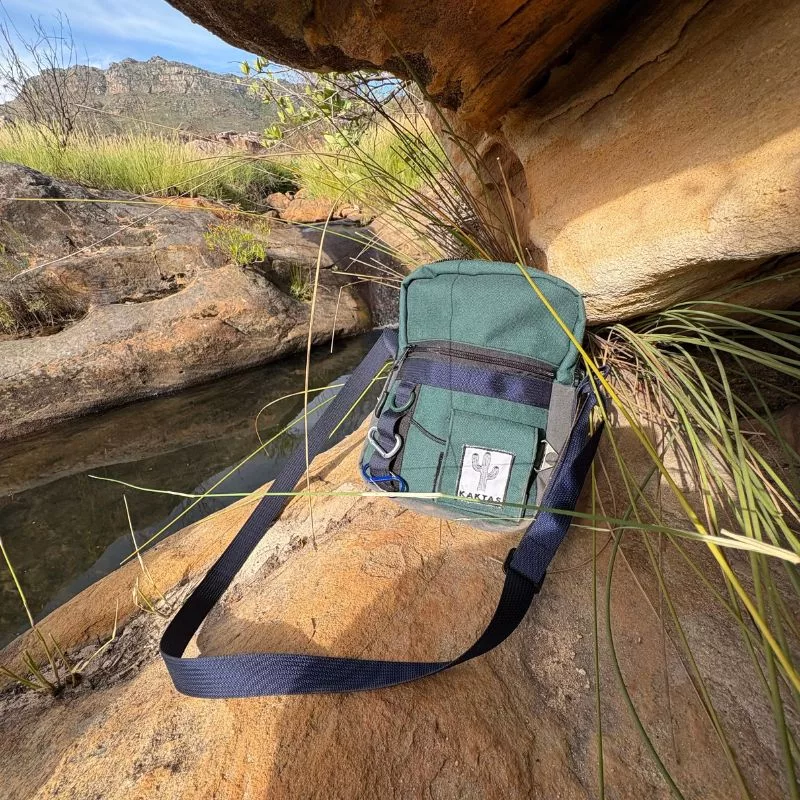
That’s why we created the KAKTAS bags – it’s not just about picking up your poo – it’s about protecting our ecosystems and ensuring that we can enjoy our planet’s rich biodiversity for decades to come. Help us to keep the mountains, rivers and beaches pristine – one kak at a time.